
Minimum Sun, Maximum Growth
A Three-Part Guide to Unshakable Sadhana in the Winter Low
By Axel Johansson
Reflections inspired by the teachings of Shree Shree Sunyogi Umasankar Ji Maharaj Ji

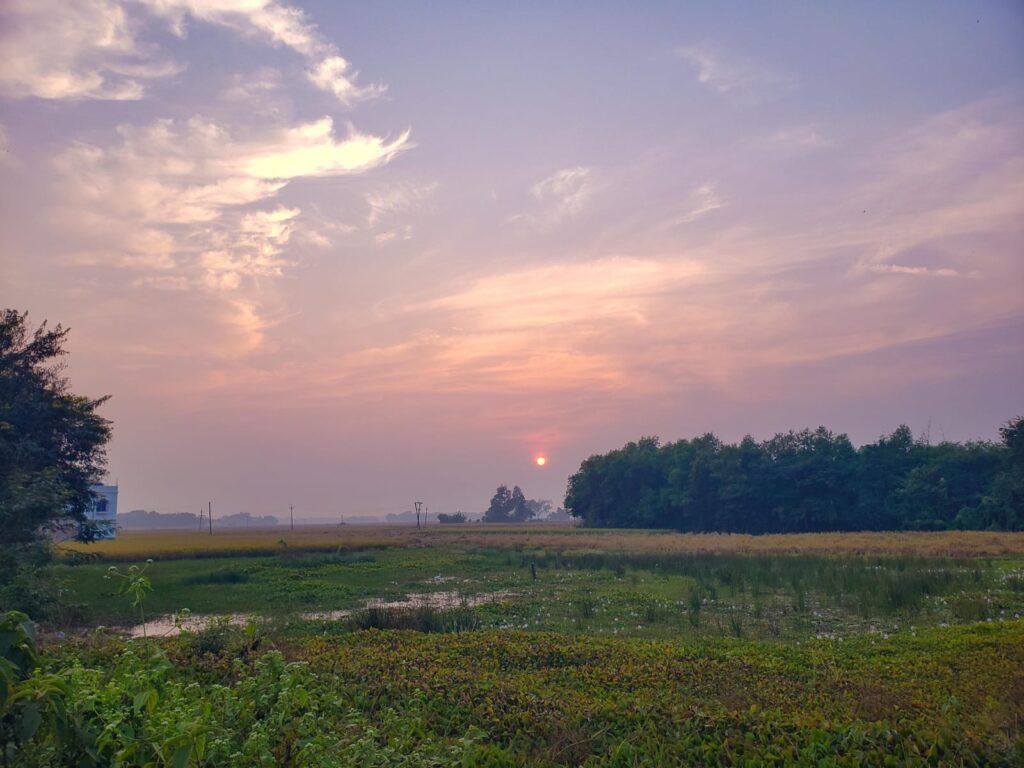
Photo by Shree Shree Sunyogi Umasankar Ji Maharaj Ji in the Himalayas at his winter retreat 2025-2026
Part 1: Cycles
The Cycle of Sadhana
Why the Winter Solstice Is Your Greatest Hidden Opportunity
Spiritual practice does not move in a straight line.
It moves in cycles, just like nature and the Sun.
Our spiritual practice often resembles the cycles of nature. It does not follow a straight path. Instead, it moves through phases of expansion and contraction, just like the seasons and the movement of the Sun.
This understanding is essential for anyone living in an ashram or committed to sincere sadhana.
Many practitioners become discouraged because they expect constant progress. But nature itself does not work this way. True growth comes in stages, through effort, resistance, and testing.
Christmas & the Winter Solstice: The Quiet Test
The period around Christmas and the Winter Solstice is one of the most critical times in the spiritual year.
It is not a time of visible growth.
It is a time that tests perseverance.
A time to strengthen what is hidden,
to build your root from the feet upward,
so that when the sun returns, the branches may rise with resilience.
By continuing our practice during low-energy periods, we build inner strength that prepares us for future peaks.
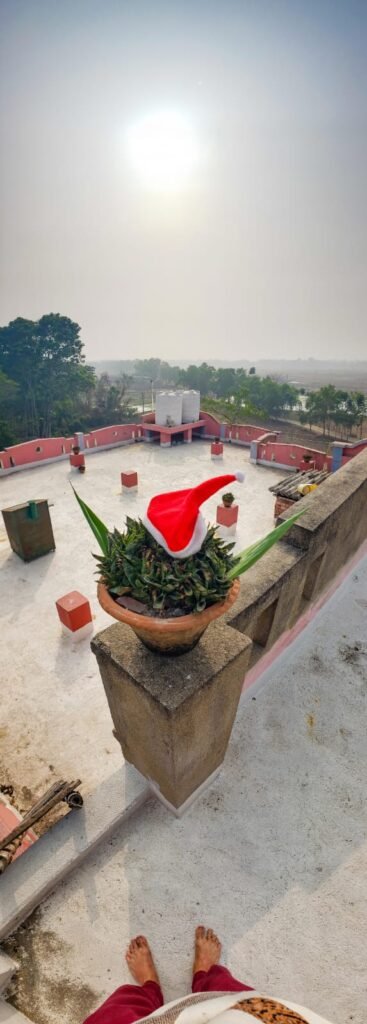
The Reality of the Low Sun
Take December 27, just after the Winter Solstice on December 21.
Although the light has technically begun to return, the Sun is still at its weakest point of the year. We receive the least sunlight during this period.
Because of this, many practitioners naturally experience:
- A drop in energy
- Fewer visible results from the effort
- Weaker motivation
This does not mean the practice is failing.
This is the test.
Low Sun Does Not Stop Practice; It Tests Discipline
Even in these low-Sun days, practice continues to work quietly beneath the surface.
When we continue without expecting results, something more profound is built.
As we learn in Sunyoga, we are not meant to expect results from our practice.
The low-Sun period is where true surrender to this teaching is tested most deeply.
When results are few and effort feels heavy, discipline must stand on its own.
What is built quietly during this time is:
- Inner strength
- Resilience
- Steadiness
This strength may not be visible immediately.
But when the cycle turns upward again, it becomes extremely powerful.
Minimum Sun does not stop sadhana.
Minimum Sun refines discipline.
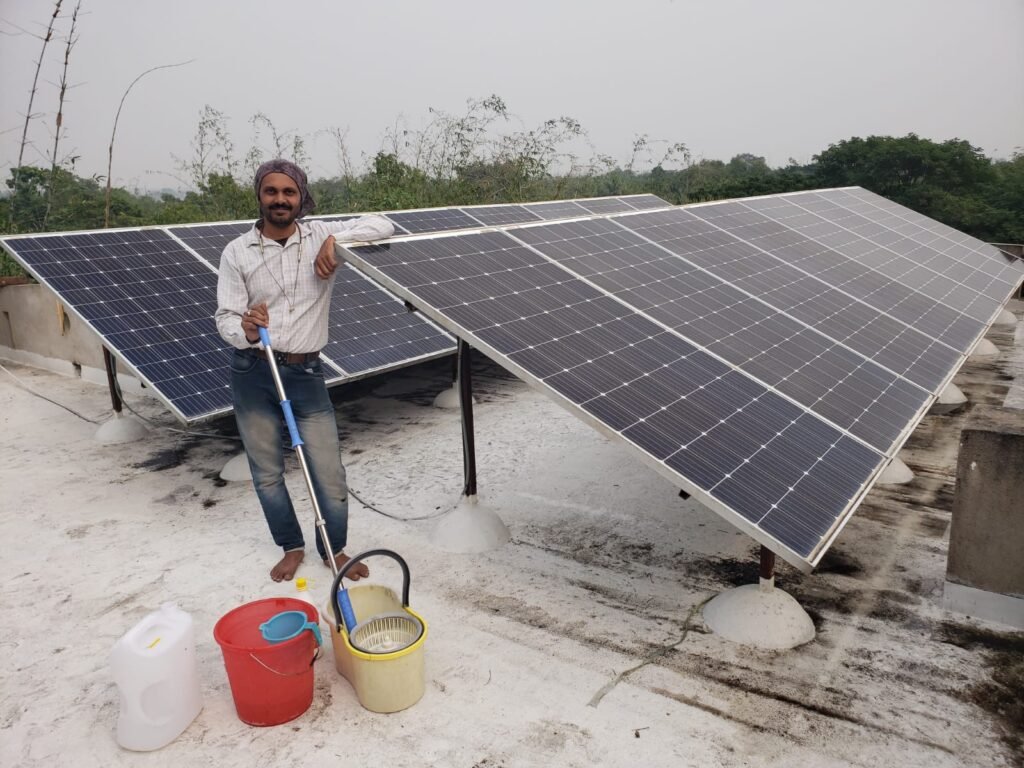
Just as the solar panels must be cleansed to receive the sun’s energy fully, we too must purify ourselves to absorb the subtlest energies of the universe.
Why Rhythm Is Sacred in Sadhana
Sadhana is not only about effort.
It is about rhythm, consistency, and timing.
When rhythm weakens, the effects are felt quickly:
- Prāṇa flows less smoothly
- The mind becomes dull
- The body feels heavy and lethargic
This is why punctuality is usually the first thing to fall.
It has nothing to do with belief or faith.
When punctuality slips, everything else slowly follows.
Spiritual Momentum
Sadhana is like a wheel in motion.
In physics, starting a heavy wheel from a complete stop takes enormous energy. But once the wheel is moving, it carries its own momentum.
During the Winter Low, the goal is not to push harder.
The goal is simple:
Do not let the wheel stop.
Even one full day of inactivity can break rhythm and make restarting feel overwhelming.
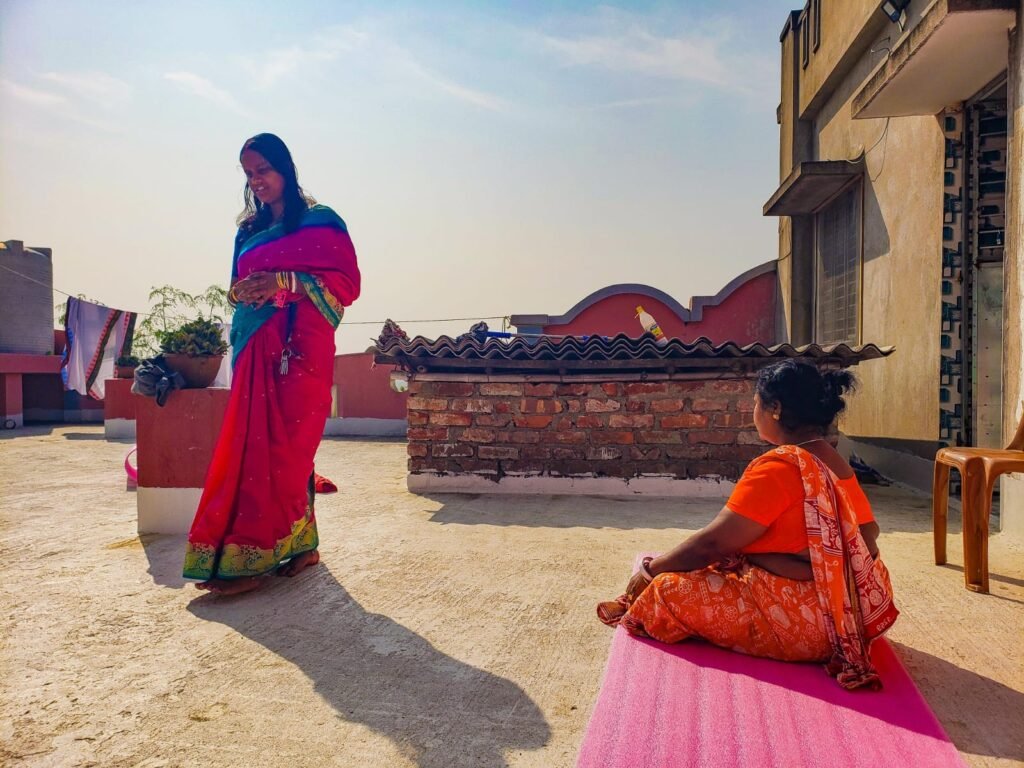
Never Nothing
If a two-hour practice feels too heavy, reduce the time to what you can sincerely do, rather than skipping it.
Even a shorter practice keeps momentum alive.
Reduce time if needed,
avoid breaking continuity.
The Collective Low (Ashram Reality)
In an ashram, low phases affect more than the individual.
When energy drops collectively, the atmosphere becomes heavier. Lethargy spreads. Motivation weakens.
This is the Collective Low,
where group inertia magnifies personal heaviness.
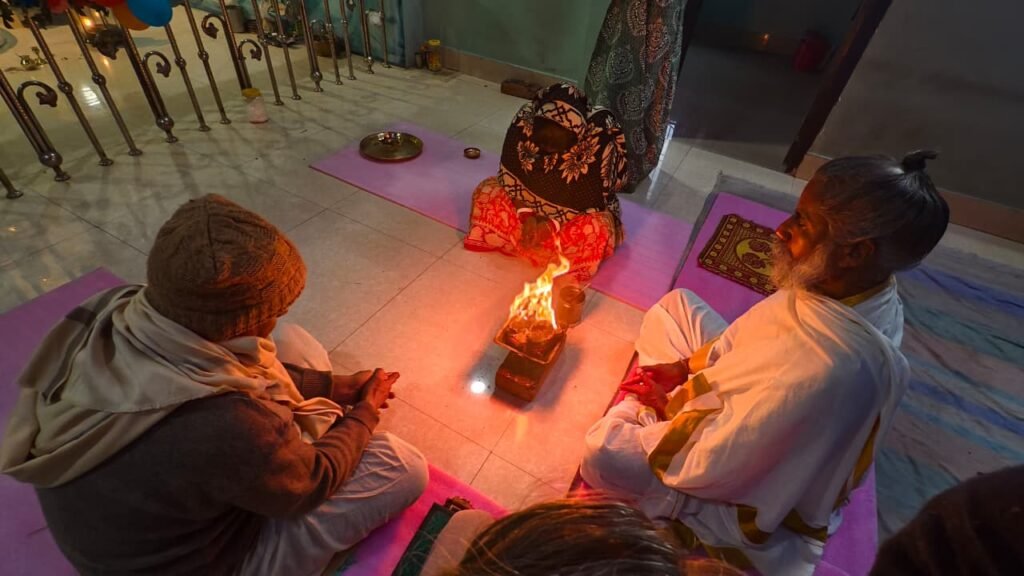
The Lesson
The weight you feel may not be only yours.
Often, it belongs to the shared atmosphere.
When you recognise this, you can mentally step back from it.
By maintaining quiet discipline, you become a stabilising force.
In this way, you begin to lift the shared atmosphere itself.
One steady flame can lift an entire room.
Minimum Sun, Maximum Growth
Growth always happens in cycles.
The Winter Solstice is often the lowest visible point. Results seem small. Effort feels unrewarded.
But this is where sadhana is truly earned.
If sincerity is maintained here, practice will flourish naturally when the cycle rises again.
Minimum Sun holds maximum hidden potential.
The Practitioner’s Compass
The Season of Minimum Sun
Energy naturally dips during this time.
This is normal.
Yet the strength cultivated now can become ten times stronger when light returns.
Do not lose heart.
Healing the Heaviness
Acknowledge heaviness without judgement.
Sit with it, embrace it, and feel gratitude for how it is supporting your sadhana.
When you relate to heaviness in this way, it slowly loses its power over you.
From this space, lightness and quiet bliss can arise naturally.
Patience is the medicine.
The Law of Minimum Maintenance
On the heaviest days:
- Stop chasing peaks
- Protect the essential
Create a Non-Negotiable Minimum,
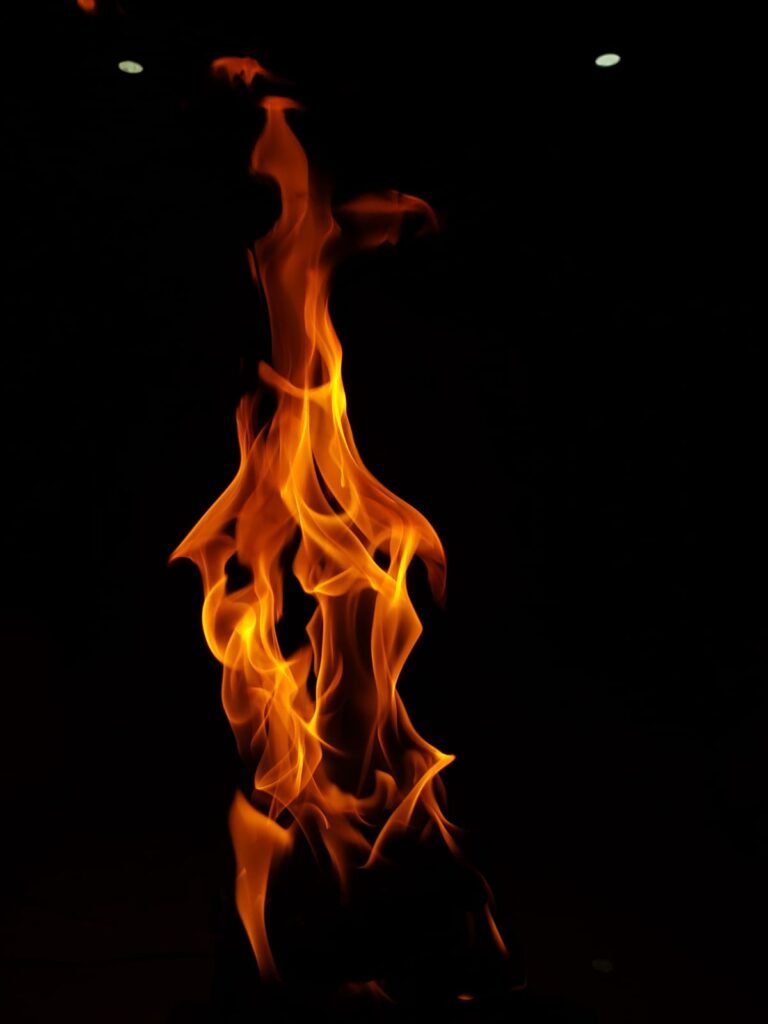
a small, steady practice that keeps the inner fire alive.
A small flame is easy to grow.
Cold ashes are not.
A Closing Reminder
Hold the thread.
As the light returns, it will amplify every quiet effort made in darkness.
Winter is your time in the spiritual gym.
It prepares you for the day of maximum effort and maximum light.
Comments
Leave a Reply
Your email address will not be published. Required fields are marked *