
Table of Contents
Minimum Sun, Maximum Growth
A Three-Part Guide to Unshakable Sadhana* in the Winter Low
By Axel Johansson
Reflections inspired by the teachings of Shree Shree Sunyogi Umasankar JI Maharaj JI

Part 3: The Real Test of Sadhana
Turning Friction, Noise, and Discomfort into Inner Strength
In Part 1, we saw that Sadhana moves in cycles, and that the Winter Low is not failure but preparation.
In Part 2, we explored how inner resistance quietly tries to break the rhythm through reasonable excuses.
Now we arrive at the real test.
Not in theory.
Not in inspiration.
But in lived, everyday conditions.
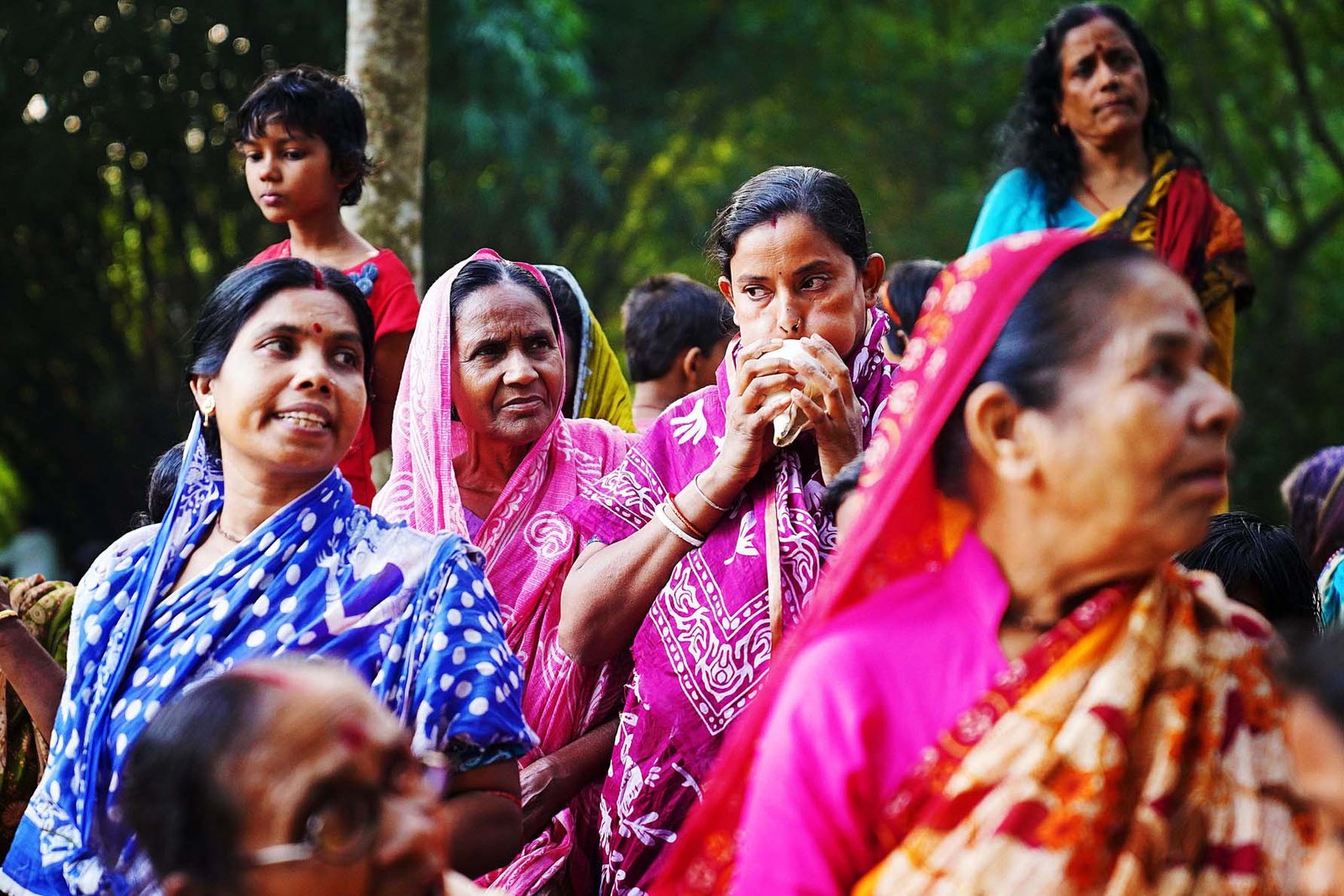
Noise and Friction: Training Grounds, Not Obstacles
Many seekers imagine that spiritual environments should always be quiet, orderly, and serene. When reality does not match this image, when there is noise, movement, or disruption, the mind reacts. This shows that we are missing a fundamental rule in Sunyoga. Do not expect, accept.
Ashrams, especially in living cultural settings like rural India or West Bengal, are full of life:
- village sounds
- animals
- festivals
- people moving, working, talking
This is not a defect of the Ashram.
This is the training.
Noise itself does not disturb us.
Our reaction to noise does.
Here, the same forces described in Part 2 reappear in external form. The mind falls into the 5 Cs:
- Comparing (“Why is it not quiet here?”)
- Confusion (“Is this really good for me?”)
- Criticising / Complaining (“It shouldn’t be like this.”)
- Craziness (emotional imbalance)
- Chaos (emotional reactivity)
The antidote remains the 5 Ps:
- Patience
- Punctuality
- Perfection (alertness in action)
- Purification
- Pleasantness
Situations do not disturb our Sadhana.
Our reactions do.
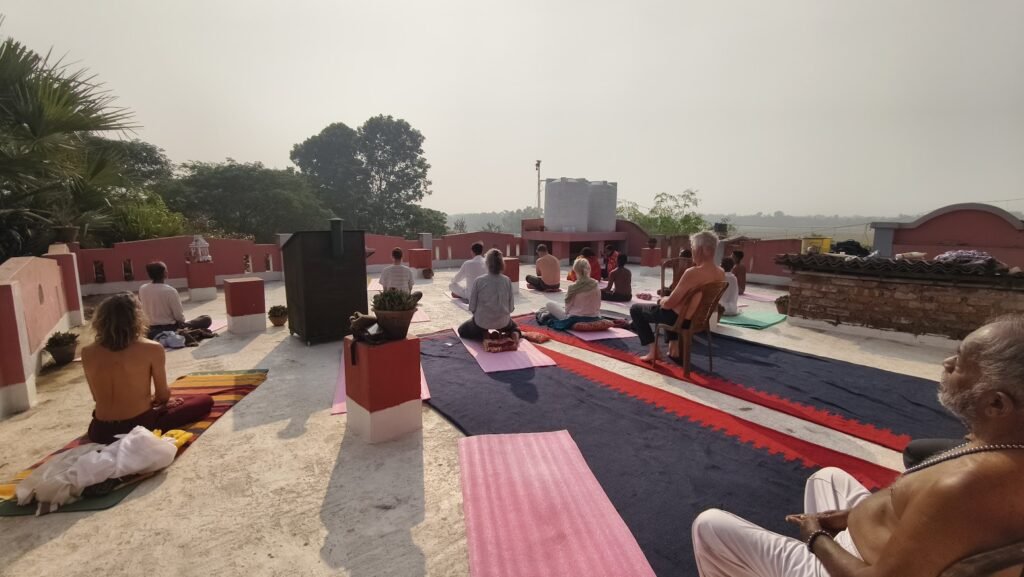
From Comfort-Seeking to Transformation
It is natural to come to an ashram—or to any spiritual path, hoping for relief: a pause from the noise of life, a “vacation for the soul.”
But comfort is not the purpose of Sadhana.
Transformation is.
Transformation towards real peace does not come from removing disturbance.
It comes from developing an inner centre that remains steady despite outer disturbance.
If life always feels easy, hidden tendencies remain asleep:
- attachments
- pride
- emotional reactivity
- dependence on mood
Friction awakens awareness.
Like the Winter Low described in Part 1, ashram friction works quietly but deeply:
- Noise trains inner silence
- Living close to others in simple conditions forces us to become humble
- Discipline is the strength that remains when motivation fades
What feels difficult is often what is most useful.
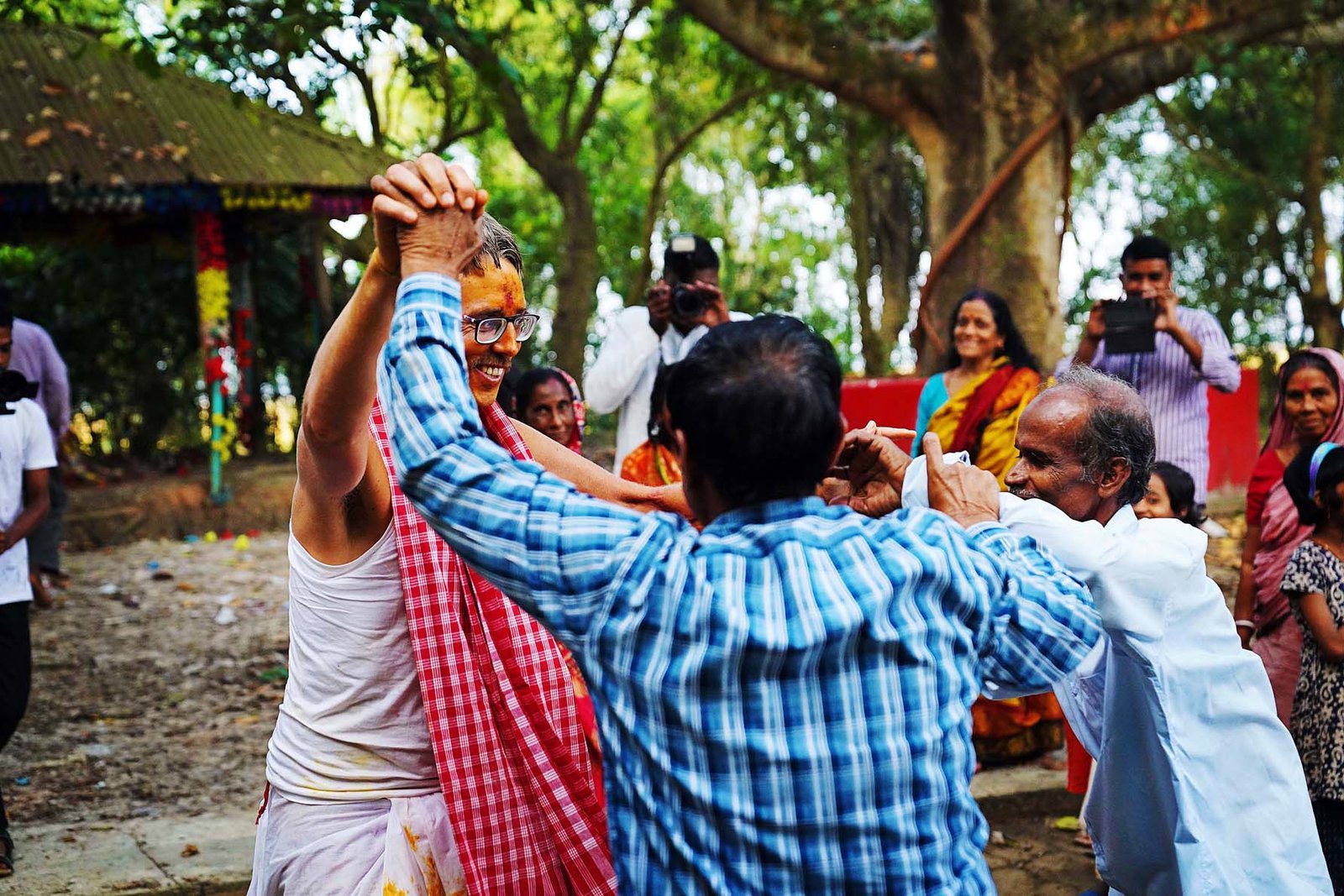
The Illusion of the “Perfect” Spiritual Environment
A common misunderstanding is the idea of a “perfect ashram,” harmonious, silent, free from misunderstanding or disorder.
But we do not arrive as finished beings.
We arrive carrying unresolved patterns within us.
Ashram life exists to expose, not hide, these layers.
If everything were already calm, nothing inside us would be challenged. There would be no mirror. Complaining about others’ negativity often reveals that something unresolved within us has been touched.
This is not personal failure.
It is the process.
With awareness, we can take it as an excellent teaching and learn from it.
Just as resistance surfaced internally in Part 2, friction now appears externally. The two are connected.

Ashram Life as a Living Test of Individuality
Choosing a disciplined group environment tests individuality every day.
Schedules, shared meals, silence, service, and responsibility slowly shift focus:
From “What do I want?”
To “What do I need?” and “What does the group need?”
This can feel restrictive, especially if we are used to living with a lot of individual freedom, as in Western culture.
That created discomfort is the field of practice.
Here we see how much energy is spent defending “my way.” Awareness alone begins to loosen that grip. As in the Winter Low, effort without visible reward builds unseen strength.
Balance, Not Suppression
For most seekers, imbalance comes from excess:
- eating more than needed
- sleeping more than needed
- speaking more than needed
- consuming stimulation endlessly
However, proper discipline does not need to be extreme avoidance.
By gently testing ourselves, we begin to see that what we assumed was “choice” is often habit.
This clarity is not meant to create guilt.
It invites natural balance.

Conscious Testing
Conscious testing helps us find out where we are wasting our energy
- Reduce media consumption and conversations
- Practice periods of silence
- Eat lighter
- Reduce sleep
- Give more unconditional service
- Accept more collective decisions without resistance, without questioning
During these tests, simply observe:
- Where resistance appears
- How excuses arise
- How the mind negotiates
Observation itself is Sadhana.
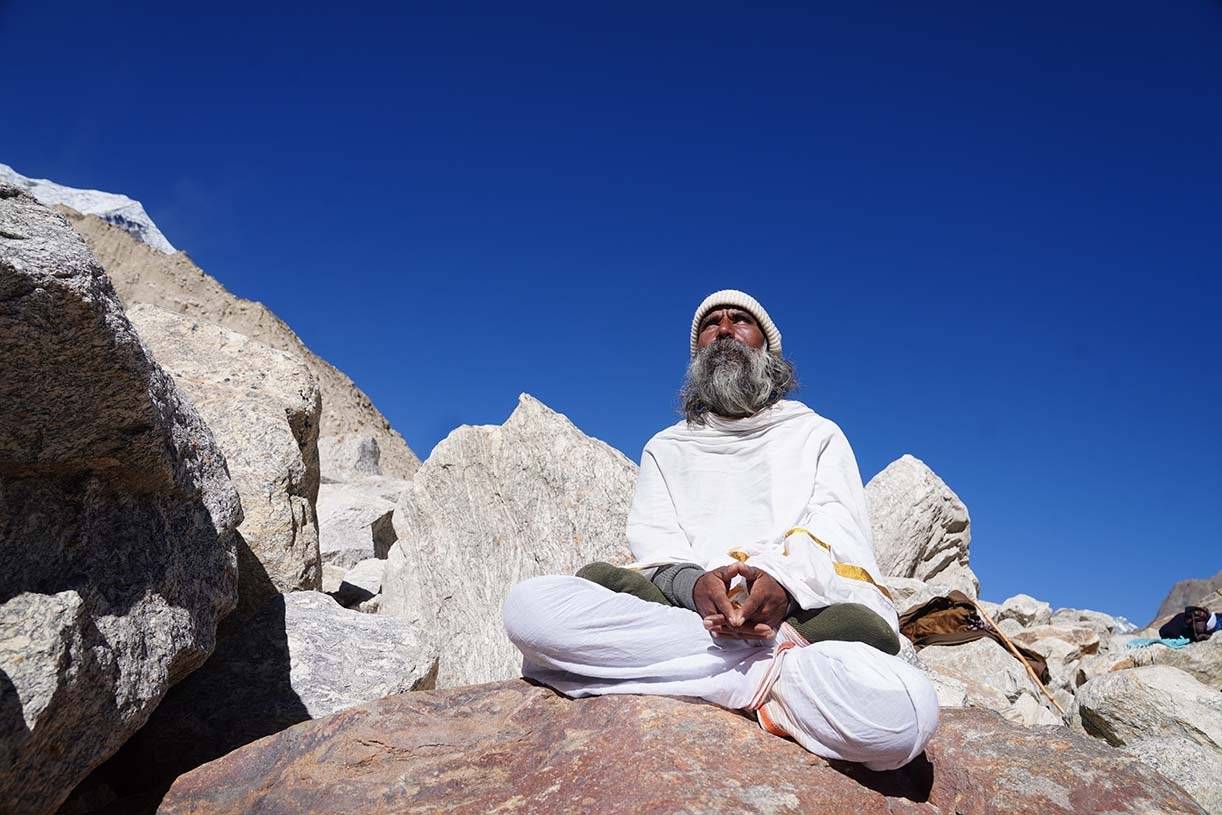
Energy Returns When Consumption Decreases
As attachments loosen, we align more closely with our divine nature, and energy naturally returns as we become responsible for how we use it. The body feels lighter.
The mind becomes quieter yet alert.
A calm, steady joy emerges, different from emotional highs.
This is the inner economy:
Using what is necessary, refining the rest.
Individuality does not disappear.
It matures into responsibility and service.
When the External Structure is moved
Just as resistance appears in solitude (Part 2), discipline is tested when external authority is absent, as when Swamiji is not watching over us as he is during our courses or in the Ashram.
Without outer pressure:
- waking becomes late
- routines soften
- practice shortens
This reveals where discipline is borrowed instead of owned.
Routines are not for rules or authority.
They are protection during low cycles.
Punctuality anchors prana.
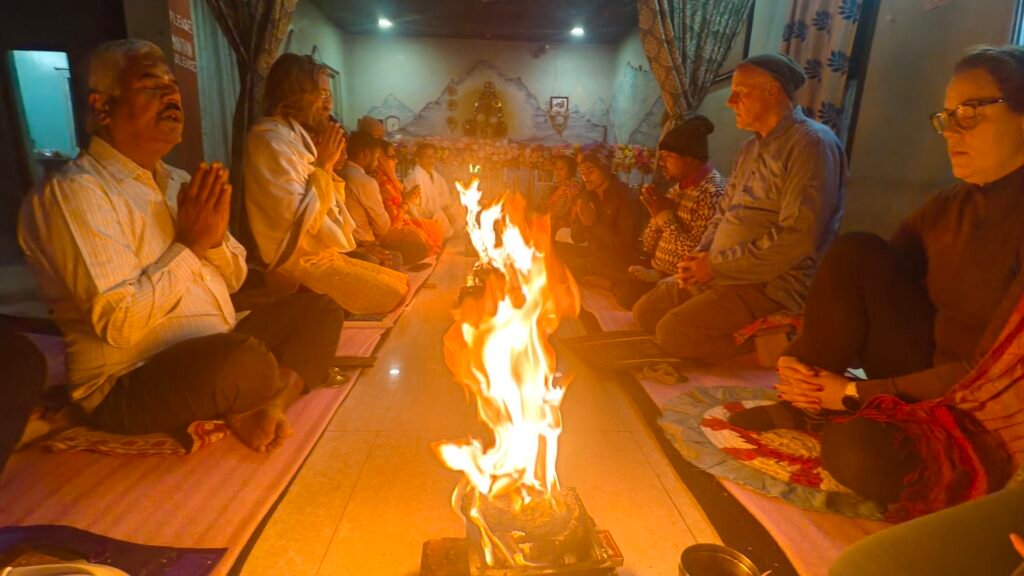
Rhythm protects the flame.
Final Integration
- Minimum Sun reveals hidden strength
- Resistance sharpens awareness
- Friction completes the training
The Ashram does not remove comfort to cause suffering.
It removes crutches so we learn to walk in our own strength.
Discomfort in any part of life can be a great teacher if we take advantage of that opportunity.
Practitioner’s Compass – The Real Test
Avoid the 5 Cs
Comparing · Confusion · Criticising/Complaining · Craziness · Chaos
Cultivate the 5 Ps
Patience · Punctuality · Perfection · Purification · Pleasantness
Daily Reminders
- Reduce individual wants to increase service
“One steady flame can lift an entire room.”

Swamiji Sunyogi Umasamkar happy at Maha Kumbh
Closing Invitation
The greatest Sun is not only in the sky, but it also shines within the heart.
If you are ready to let life’s friction refine you,
to turn the Winter Low into lasting strength,
the path is open.
Minimum Sun. Maximum Growth. This is the real test of Sadhana.
Inspired? Contact us if you want to prepare for your stay in the Ashram.
🪷 Om Anand* Om 🪷
Notes
* Sadhana [साधना] Spiritual practice, discipline, means to a goal
* Anand [आनन्द] Bliss, joy, supreme happiness—often the natural state that emerges through steady Sadhana, beyond fleeting emotions.
photo credits
Shree Shree Swamiji Sunyogi Umasankar Ji Maharaj Ji,
Axel Johansson,
Jonathan Charpentier.
Comments
Leave a Reply
Your email address will not be published. Required fields are marked *